
I’ve been in an interesting position, having been on both sides of IT and technical support throughout my career – the supporter and suportee. Often (like many jobs), working in IT can be thankless at times… if you’re doing your job right, nobody knows you are even around.
There are some phrases that I have found can be irksome to users. And I get it, I find them irksome; the challenge is that they are the appropriate answer for the given situation.
What I found working on the support side of technology is that even though these expressions may be right, there are ways to adjust the delivery to help get the users on your side and see things from your point of view. Oddly, this requires the technical person to see things from their point of view first.
I am an empathy pusher. I try to cram it down throats. (Take your empathy and like it!) There is no better way to get alignment and understand people’s pains than by seeing them from a point of view that you can relate to. And that alignment usually becomes a two-way street. The more you give, the more you get.
But what does that mean? The word “empathy” gets thrown around a lot. Technically-minded people like specificity and examples and actionable items.
A tactic I have used to do my best to get rid of the default IT “excuses” is to replace them with some simple phrases that, hopefully, help communicate that I understand the user’s frustration… as opposed to simply adding to it.
Nobody wants to hear, “That’s not the expected behavior.”… I go with, “Whoa, that’s weird.” Everyone loves a bad Keanu Reeves impersonation.
And “That’s complicated to troubleshoot” is simply me complaining about how hard my job is. “You have uncovered something I have never seen before – it may take us time, but we are going to work on it,” softens the blow a bit.
The trickiest one is, “If we can’t replicate it, we can’t fix it.” That’s tricky because it’s very true. But the user feels like you think they’re making stuff up when they hear this. I try to give them actions to make them feel a little more in control – “Can you record your screen next time it happens?” “As soon as it happens again, give me a call.” “I’m going to try X, Y, and Z to see what happens.”
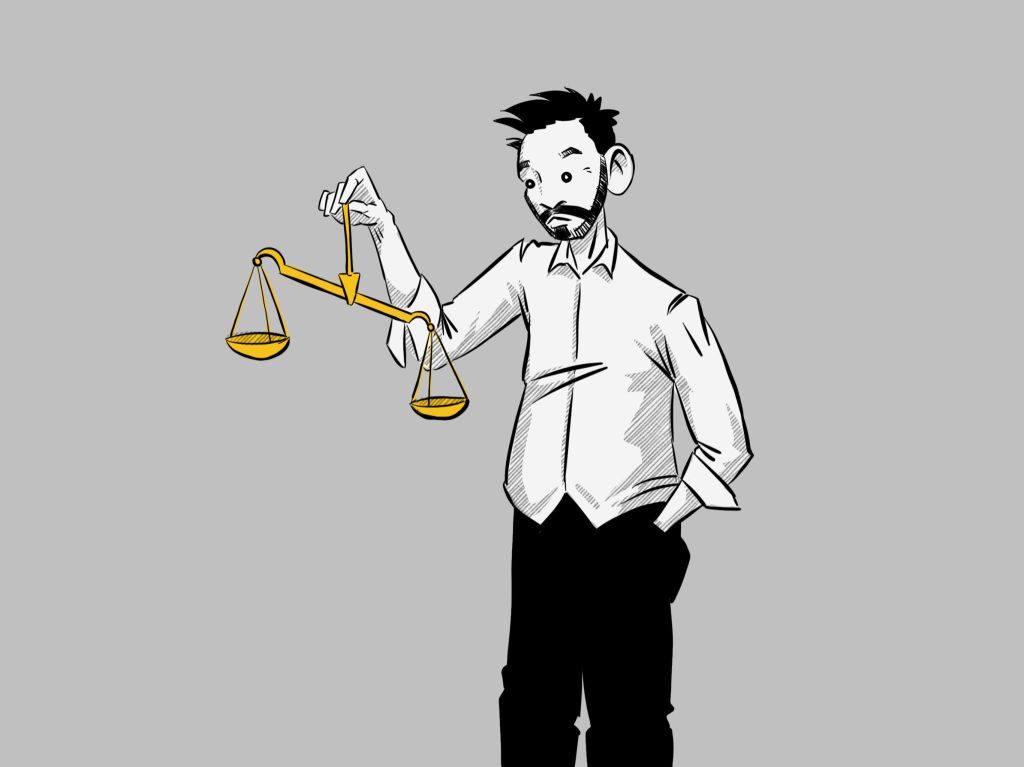
There’s a balance between empathy and excuses when you have to communicate to users, and it should lean heavily on the empathy side of the scale.
 Design Tech Field Guide